
Feather Robotics Aims to Be the «Android of Robotics» With a Modular Humanoid for Developers
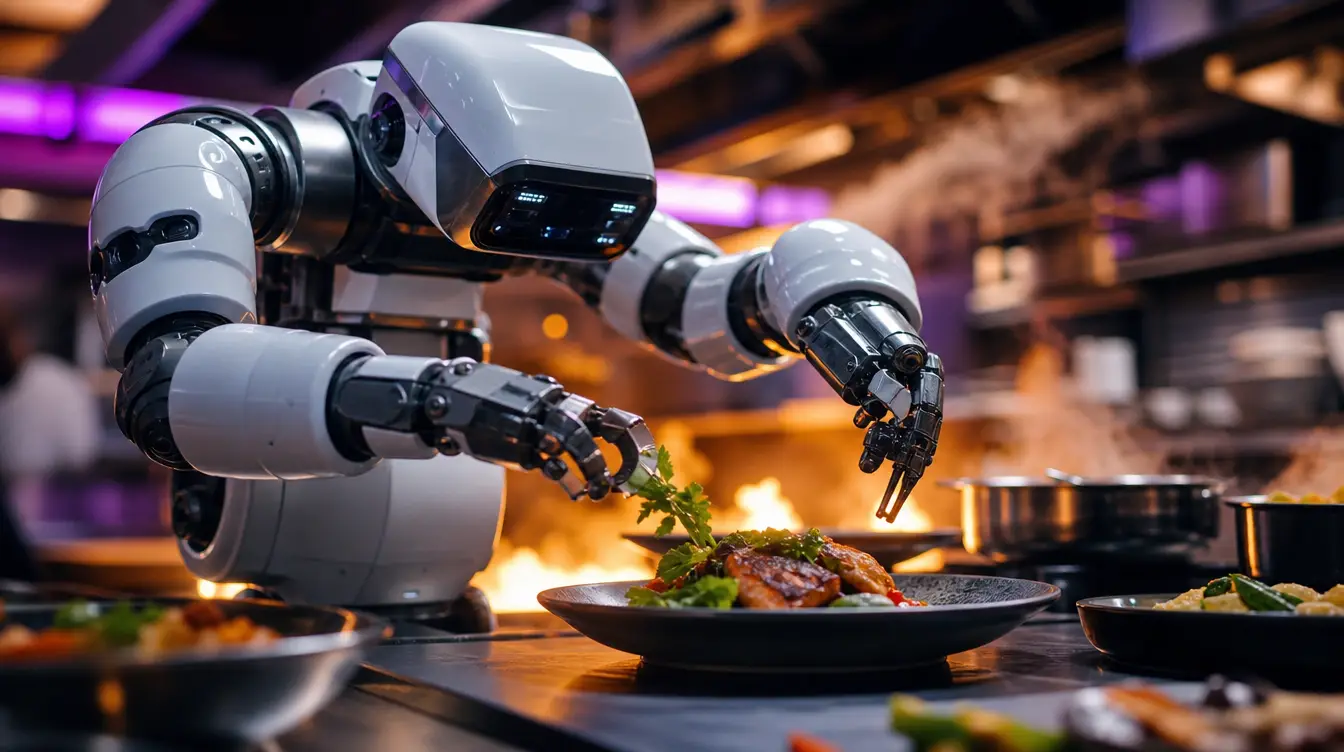
For $30,000, roughly half the price of a comparable Unitree education model, U.S. startup Feather Robotics is already selling a modular humanoid robot designed for developers to put to work today, not a decade from now. Here is what this young company is proposing, who is behind it, and why it is being called the «Android of robotics.»
An Open Platform Instead of a Robot That Does Everything
While companies such as Tesla and Figure pursue the general-purpose humanoid that can handle any environment, Feather is taking a more pragmatic path: providing the hardware and software tools so others can build on top of it. Its system is modular, allowing parts such as arm length to be adjusted to the task, and it is compatible with third-party AI models, including those from Nvidia, Skild and Physical Intelligence. The logic mirrors what turned Android into a standard: a common foundation on which each team develops its own applications.
Co-founder Hoa Mai makes the case simply: today, nobody can buy a Tesla robot and start developing on it. In Mai’s view, successful hardware companies began with products people could use right away and only added complexity later.
Already Cooking in Restaurants and Tidying Labs
Founded in 2025, the company has moved beyond the prototype stage. Although it is still selling in small volumes, its revenue has already passed $1 million. Real-world deployments include robots working as cooks in restaurants and others handling cleanup in science labs. Customer names have not been disclosed.
The team brings hands-on industry experience. Mai previously founded another humanoid startup that was acquired by 1X, while co-founder Parsa Bakhtiari was a Model 3 engineer at Tesla.
Funding and Next Steps
Feather closed a $7.6 million pre-seed round led by Gradient Ventures. With that capital, the team is focused on completing field testing before preparing a larger product launch. Its arrival comes as the industry debates whether robotics will soon have its own «ChatGPT moment» or whether that is still years away; Feather’s answer is not to wait, and to put useful tools in developers’ hands now.
For those of us who follow innovation closely, the case highlights a pattern seen across technology: well-designed open platforms that other professionals can extend are often the ones that end up driving an entire industry forward.
At Webmusica we build web solutions with cutting-edge tech. Let’s talk about your project.
Source: TechCrunch.


 «Naturaleza viva» – El colibrí.