
Tesla and SpaceX to Build «Terafab,» a $16.8B Chip Megafactory in Texas
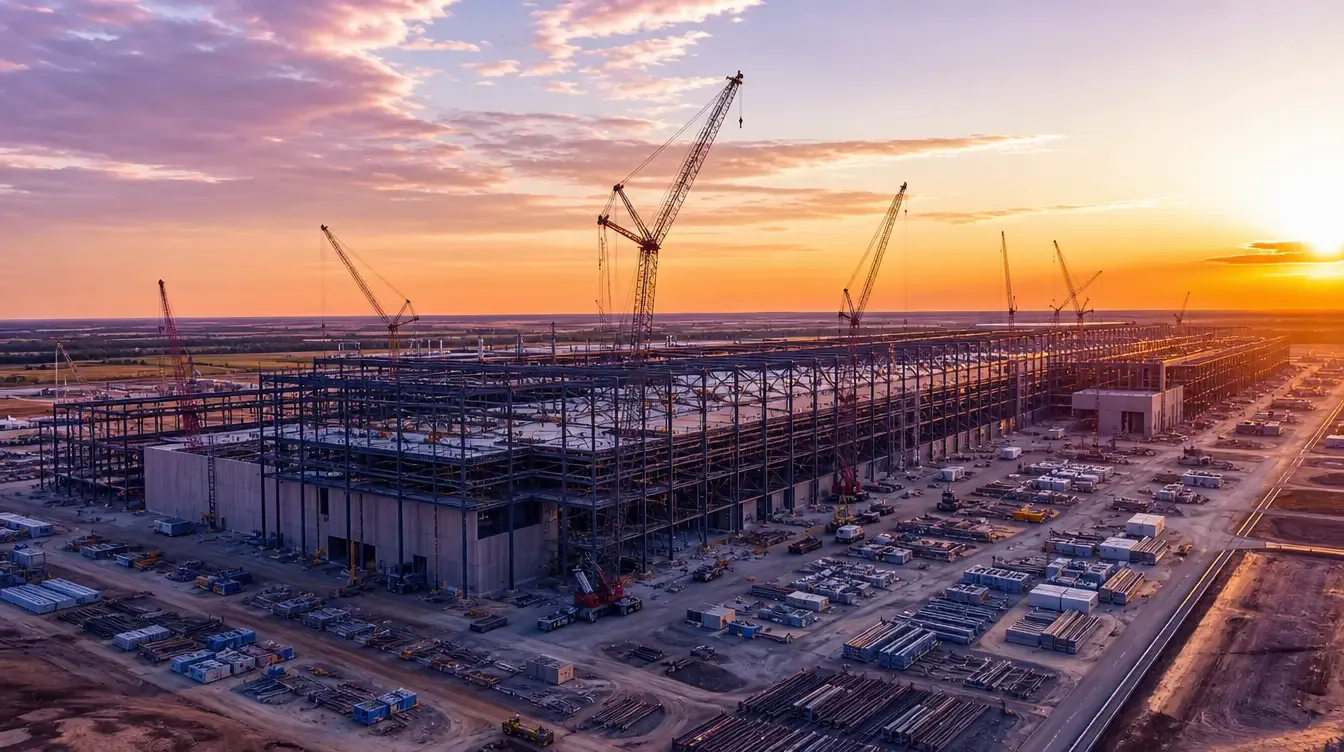
Tesla and SpaceX announced an initial investment of $16.8 billion to build «Terafab,» a semiconductor manufacturing plant in Grimes County, Texas, north of Houston. Here’s why this bet aims to solve the biggest bottleneck facing robotics and artificial intelligence today: a lack of chips.
A factory on an unprecedented scale
The project calls for more than 100 million square feet of manufacturing space, which would make it one of the largest industrial facilities ever built. Elon Musk, who leads both companies, described it as «the largest and most valuable building on Earth by far.» Reports suggest SpaceX has floated total spending of up to $119 billion across multiple construction phases, though that figure isn’t formally committed yet. For context, that would put the project’s potential price tag well above what most countries spend on national infrastructure programs in a given year.
Chips for robots, self-driving cars, and space-based data centers
Terafab isn’t aiming to compete in mass-market consumer chips. Instead, it will produce semiconductors optimized for edge computing and AI inference. The goal is to directly supply Tesla’s Optimus humanoid robots, its autonomous-driving systems, and the space-based data centers SpaceX plans to deploy in orbit. Intel is listed as a partner on the project, and local Texas suppliers and allies are expected to join in, including agreements with area educational institutions such as the Anderson-Shiro school district. The move makes clear that for big tech companies, designing better AI models is no longer enough — securing who fabricates the silicon that powers them, and where, now matters just as much.
Jobs, energy, and water: the other side of the mega investment
Construction and operation of the plant are expected to create at least 3,000 jobs across Grimes and Brazos counties. One notable detail: to avoid straining the area’s groundwater, the plant will draw water from the Gibbons Creek Reservoir instead of relying on wells. The decision reflects a growing trend in the semiconductor industry, which faces increasing scrutiny over its heavy water and energy consumption as more mega-fabs like this one break ground around the world.
The announcement confirms that the race for computing infrastructure — not just for AI models themselves — has become the real technology battleground of 2026.
At Webmusica we build web solutions with cutting-edge tech. Let’s talk about your project.
Source: TechCrunch.


 «Naturaleza viva» – El colibrí.