
WeatherNext 3: Google’s AI Model Promises More Accurate, More Frequent Weather Forecasts
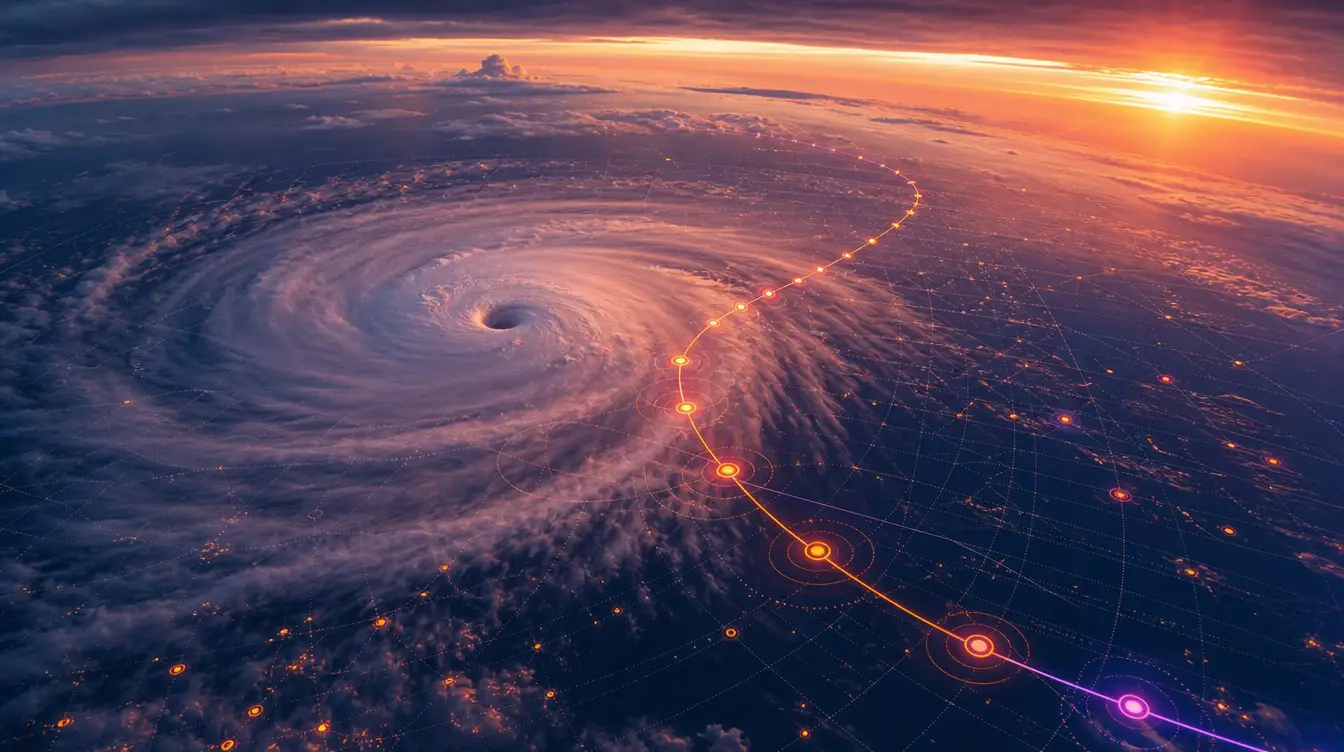
Google has unveiled WeatherNext 3, the latest version of its AI model for weather forecasting, developed by teams at Google DeepMind and Google Research. The number that stands out most is clear: rain prediction improved by 60% compared to the previous version. Here’s how the system works, why it beats official meteorological models, and why it could soon show up in tools millions of people use every day, from search to the map on their phone.
Learning Patterns Instead of Simulating Physics
Unlike traditional models, which solve the atmosphere’s physical equations step by step, WeatherNext 3 was trained to recognize patterns from huge volumes of historical data and satellite observations. Ferran Alet, a DeepMind research scientist, explained that machine learning targets a different problem than classic meteorology: approximating noisy physics from incomplete information, rather than simulating it with absolute precision. The new model has 2.4 times more parameters than its predecessor and works at a 5-kilometer resolution on key variables, compared with the 15-25 kilometer resolution of the previous version. It also now delivers hourly forecasts instead of the traditional six-hour intervals, allowing short-term changes to be anticipated in far more detail and giving forecasters a finer picture of how a system is likely to evolve.
More Accurate Than the Official Agencies
In tests on Operational WeatherBench, an independent tool built by the startup Brightband to compare forecasting models against each other, WeatherNext 3 outperformed both the United States National Weather Service and the European Center for Medium-Range Weather Forecasting, two long-standing references in the field. It also beat rival AI models, such as WindBorne’s WeatherMesh 6, while giants like Microsoft and Nvidia continue developing their own deep-learning-based weather forecasting efforts, in a race that is quickly becoming one of the most closely watched corners of applied AI.
From the Lab to the Apps We Use Every Day
Google plans to integrate WeatherNext 3 into Search, Google Maps and its Gemini assistant, while also making it available to researchers and developers through its cloud platform. Samier Merchant, a senior Google engineer, noted that this is the first time these climate variables will directly power a large share of the company’s products, rather than staying confined to a research setting. The shift matters: moving from generic forecasts to higher-resolution, higher-frequency data can improve everything from a rain alert on a phone to transport route calculations or agricultural planning, where every extra hour of lead time has real, practical value for the people and businesses that depend on it.
At Webmusica we build web solutions with cutting-edge tech. Let’s talk about your project.
Source: TechCrunch.


 «Naturaleza viva» – El colibrí.